Andy Burnham: From Journalism to Downing Street – The Rise of Britain’s New Prime Minister
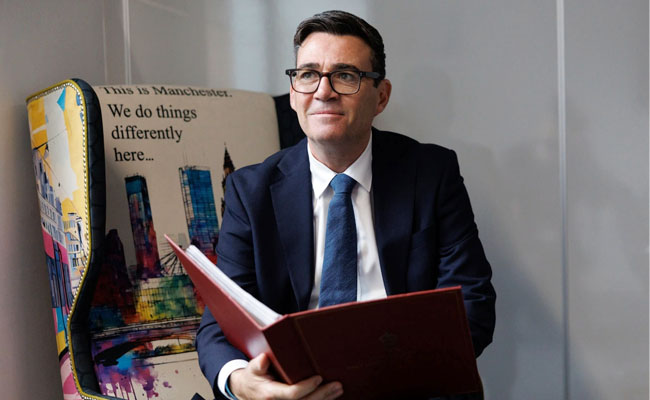
Andy Burnham’s rise to become Britain’s 59th Prime Minister marks the extraordinary culmination of a career that began not in Westminster, but in journalism. From writing for business publications to becoming a Cabinet minister, Mayor of Greater Manchester and now the leader of the country, Burnham’s political journey has been shaped by determination, setbacks and a strong connection with the communities he represents.
Burnham was elected Leader of the Labour Party on 17 July 2026 after receiving overwhelming support from Labour MPs and affiliated organisations. He was formally confirmed at a special Labour conference, before becoming Prime Minister on 20 July 2026 after accepting His Majesty King Charles III’s invitation to form a government.
Born in Liverpool in 1970 and raised in Culcheth, Cheshire, Burnham grew up in a Labour supporting family. His father was an engineer and his mother worked as a receptionist. Those early years helped shape his political outlook and his belief in public service.
Before entering politics, Burnham worked as a journalist, writing for publications including Tank World and Passenger World Management. His experience in the media gave him an understanding of communication, public affairs and the importance of telling people’s stories, skills that would later become central to his political career.
His move into politics began when he became a researcher for Labour MP Tessa Jowell. He later served as a special adviser to Culture Secretary Chris Smith, gaining valuable experience inside government before entering Parliament himself.
In 2001, Burnham was elected as the Member of Parliament for Leigh. His political career progressed quickly, and he went on to serve in senior government positions under Tony Blair and Gordon Brown, including Chief Secretary to the Treasury, Secretary of State for Culture, Media and Sport, and Secretary of State for Health.
One of the defining moments of his ministerial career came during the long campaign for justice following the Hillsborough disaster, in which 97 Liverpool supporters died in 1989. At the 20th anniversary memorial service, Burnham witnessed the anger and pain of families who continued to seek the truth. He brought those concerns back to Westminster, supporting efforts that helped lead to further investigations into the tragedy.
After Labour’s defeat in the 2010 General Election, Burnham contested the Labour leadership for the first time but was unsuccessful. He stood again in 2015, finishing second behind Jeremy Corbyn. Although he did not win the leadership contests, his reputation among Labour members and supporters continued to grow.
A major turning point came in 2017 when Burnham left Westminster to become the first elected Mayor of Greater Manchester. The decision was considered a political risk, but it transformed his national profile. As mayor, he became a powerful advocate for greater regional investment, improved transport, affordable housing and giving communities outside London a stronger voice.
During the Covid 19 pandemic, Burnham became one of the most prominent political figures in the country after challenging the Government over restrictions placed on Greater Manchester and calling for greater support for businesses and residents affected by the measures. His outspoken defence of the North earned him the nickname “King of the North”, reflecting his popularity across the region.
Known for his approachable style and ability to connect with voters, Burnham has often presented himself as a politician who wants to bring decision making closer to communities and make politics more relevant to people’s everyday lives.
In his first speech as Prime Minister outside Downing Street, Burnham said Britain must demonstrate that it can regain stability and that politicians of his generation must rise to the challenges facing the country. He pledged to focus on economic renewal, stronger public services and a long-term plan for Britain’s future.
From a young journalist writing articles to the occupant of 10 Downing Street, Andy Burnham’s career has been defined by ambition, resilience and an ability to reinvent himself. His path to power was not straightforward, but it reflects a politician who repeatedly took risks, overcame defeats and remained focused on public service.
As he begins his premiership, the next chapter of Andy Burnham’s political story will be judged by the decisions he makes and the legacy he leaves behind.